
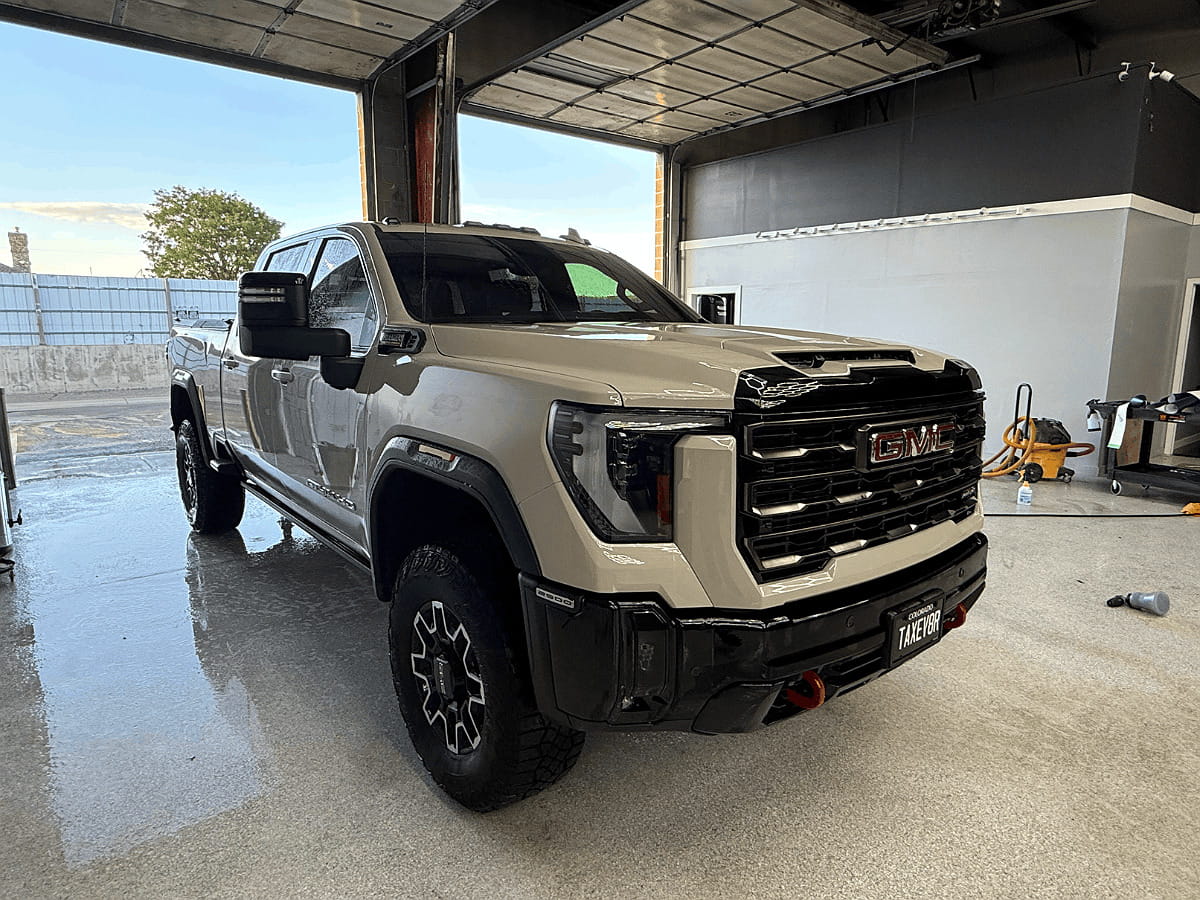
Buying a new car is exciting. You get to enjoy the factory-fresh paint, the clean body lines, and that feeling that everything looks exactly as it should. The challenge is keeping it that way once you start driving.
In Denver, everyday driving can expose your paint to highway debris, gravel, bugs, and winter road treatments. Colorado also experiences hail, which can cause significant vehicle damage. While no paint protection product can prevent every type of damage, paint protection film (PPF) can help protect vulnerable painted surfaces from many of the chips and minor abrasions that occur during normal driving.
So, is PPF worth it for a new car in Denver? For many drivers, particularly those who commute regularly, own a performance vehicle, or want to preserve their original paint, it can be a worthwhile investment. The best choice depends on how you drive, how long you plan to keep the vehicle, and how much of its exterior you want to protect.
What Is Paint Protection Film?
Paint protection film, also known as PPF or a clear bra, is a transparent, durable film installed over painted vehicle panels. It acts as a sacrificial layer, absorbing some of the impact and abrasion that might otherwise damage the paint underneath.
Modern premium PPF can offer several benefits:
- Rock chip protection: Helps reduce paint damage from small stones and road debris.
- Minor scratch resistance: The film helps shield the finish from certain light abrasions.
- Self-healing properties: Some films have a self-healing topcoat that can reduce the appearance of light surface scratches when exposed to heat.
- Contaminant resistance: Helps protect against substances such as bug residue and road grime that can mark the finish if left untreated.
- Finish preservation: Keeps the original paint better protected from everyday wear.
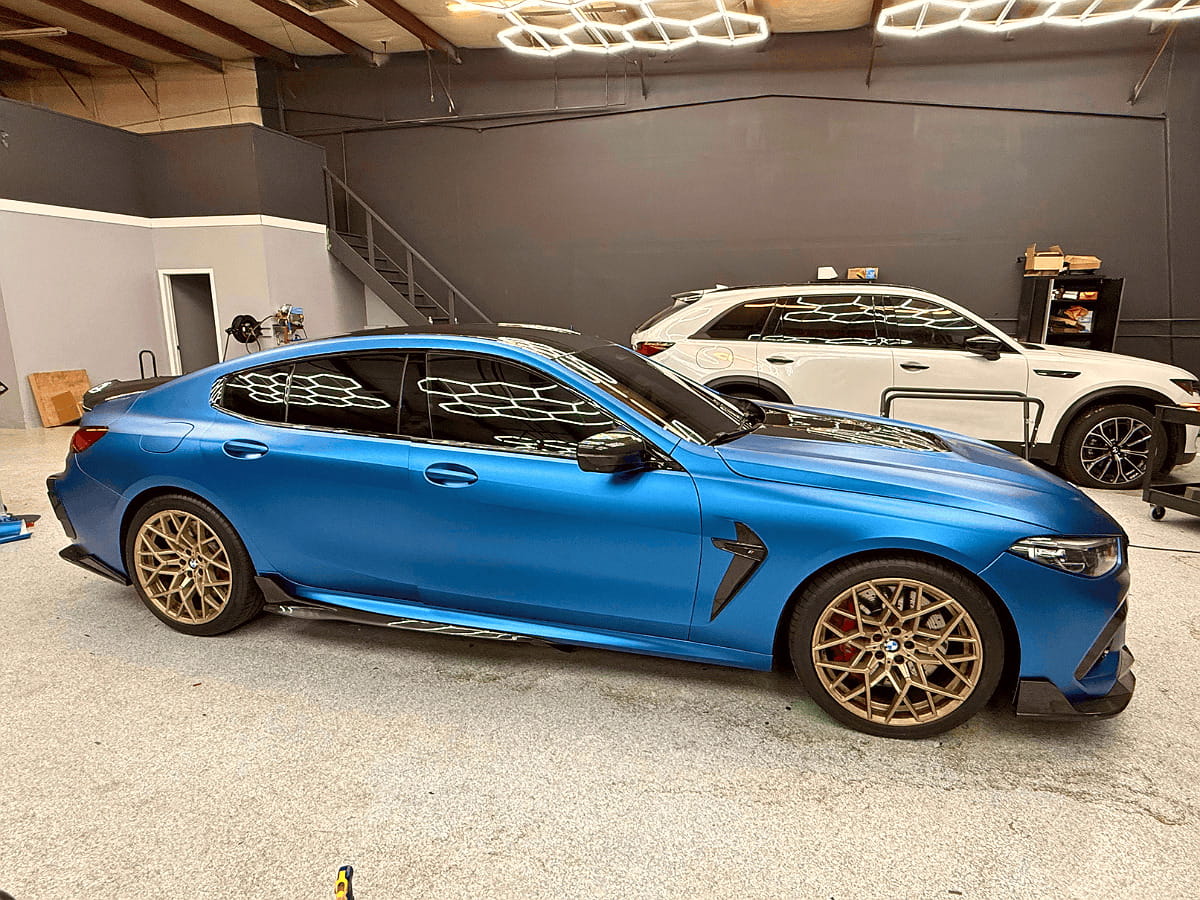
At Monarch Autoworks, PPF is available in gloss for a near-invisible finish or matte for a satin appearance. Coverage options range from high-impact areas to the full vehicle. Explore Monarch’s PPF installation options.
It’s important to understand what PPF does not do. It is not damage-proof, and it cannot guarantee protection against deep scratches, major impacts, vandalism, or large hailstones. The level of protection depends on the film, installation, location of the impact, and severity of the damage.
Why Is PPF Worth Considering in Denver?
Denver drivers face a mix of road and weather conditions that make paint protection worth considering, especially for vehicles driven frequently.
1. Highway driving exposes paint to rock chips
Regular commutes and trips along busy highways can expose your vehicle to gravel and small stones thrown up by other vehicles. The front bumper, hood, fenders, mirror caps, and headlights are common impact areas.
A new car can develop paint chips surprisingly quickly, even when you drive carefully. PPF provides a physical barrier over the areas most exposed to this type of damage.
If you frequently drive on I-25, I-70, or other busy routes, protecting the front of your vehicle may make more sense than covering every panel.
2. Colorado winters bring road treatments and debris
The Colorado Department of Transportation uses salt-based and other de-icing products to help manage snow and ice on roadways. Winter driving can also mean slush, grit, and debris accumulating on your vehicle.
PPF can help protect covered painted surfaces from certain contaminants and minor abrasions. However, it does not replace regular washing or provide comprehensive underbody corrosion protection. Keeping your vehicle clean during winter remains important.
3. Sun exposure and environmental contaminants matter
Parking outdoors exposes your vehicle to sunlight, dust, bird droppings, and bug residue. If certain contaminants remain on the paint for too long, they can leave marks or etch the surface.
PPF adds a protective layer over the panels where it is installed. Its topcoat can also make some contamination easier to remove, depending on the film and the substance involved.
If you park outside regularly, PPF can be a useful part of a broader paint-care plan.
4. You want to preserve the original finish
Some owners simply want their new vehicle to stay as close as possible to its original condition. This can be particularly important if you’ve bought a luxury car, sports car, or vehicle with a paint finish that would be expensive or difficult to repair.
PPF can help reduce everyday paint damage, but it should not be viewed as a guaranteed way to increase resale value or recover the full installation cost. Its value is also in the reduced likelihood of needing certain paint repairs and in keeping the vehicle looking the way you want it to.
Which PPF Coverage Is Right for Your New Car?
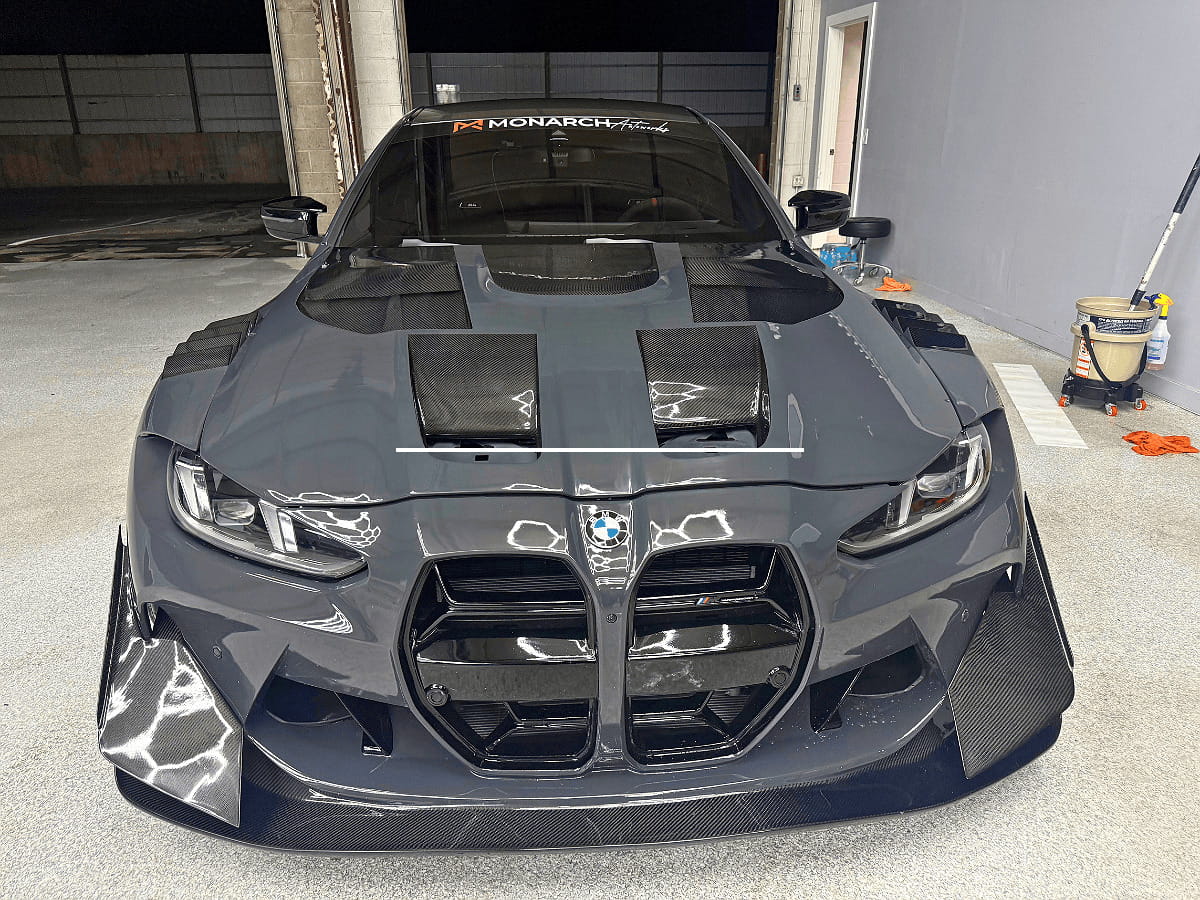
You don’t necessarily need full-body PPF to get meaningful protection. The right coverage depends on your driving habits, the vehicle’s design, and your priorities.
Partial front PPF: Focus on the highest-impact areas
Partial-front packages cover selected areas such as part of the hood and fenders, the front bumper, and mirrors, depending on the package.
This can be a sensible starting point if you want to protect your daily driver without covering the entire vehicle. Keep in mind that partial coverage leaves some paint exposed, and a film edge or coverage boundary may be more noticeable than with a full-panel installation.
Full-front PPF: A practical choice for many drivers
Full-front coverage generally includes the full hood, full fenders, front bumper, mirrors, and headlights, according to the selected package.
For drivers who regularly commute on highways or take frequent road trips, this can provide a useful balance between coverage and cost. It protects more of the front-facing surfaces that are commonly exposed to flying debris.
Extended high-wear coverage: For performance and enthusiast vehicles
If you drive a performance car, travel frequently at highway speeds, or regularly take longer trips, you may want to protect additional areas beyond the standard front end.
Monarch Autoworks offers a track/high-wear package that extends coverage to areas such as rocker panels and A-pillars. The exact areas covered should be confirmed for your vehicle and selected package.
Full-vehicle PPF: Maximum paint coverage
Full-body PPF covers the vehicle’s painted surfaces, making it an option for owners who want broader protection across the exterior.
It can make sense for high-value vehicles, enthusiast cars, or owners planning to keep their car for many years and who place a high priority on preserving the paint. It also generally involves a higher upfront cost and a more involved installation.
Before choosing, ask for a panel-by-panel explanation of what is included, what remains exposed, and how the film warranty applies.
PPF vs. Ceramic Coating: Which Is Better for a New Car?
PPF and ceramic coating serve different purposes. One is not a direct replacement for the other.
| Feature | Paint Protection Film | Ceramic Coating |
|---|---|---|
| Helps protect against rock chips | Yes, within the film’s limits | No |
| Helps resist minor surface abrasions | Yes, depending on impact and film | Limited protection; not a physical impact barrier |
| Adds gloss or changes the finish | Gloss or matte options available | Enhances gloss on compatible finishes |
| Helps repel water and simplify cleaning | Many films have hydrophobic topcoats | Yes |
| Can be applied to selected panels | Yes | Yes, depending on the product and surface |
If your main concern is rock chips, PPF is the more relevant option. If you want easier maintenance, water repellency, and added chemical resistance, ceramic coating may be a better fit for those goals.
Many owners choose both: PPF on high-impact areas and ceramic coating over compatible surfaces to support easier cleaning and maintenance. Monarch Autoworks offers both services, and the team can help determine which combination makes sense for your vehicle.
Learn more about ceramic coating in Denver.
Should You Install PPF on a Brand-New Car?
Often, yes. Installing PPF while the paint is still in excellent condition can help preserve the finish before chips and scratches accumulate.
However, “brand-new” doesn’t automatically mean the paint is flawless. A vehicle may have minor imperfections from transport, dealership preparation, or handling. The paint should be inspected before the film is installed.
A professional preparation process may include washing, decontamination, and, where needed, paint correction. The amount of correction required depends on the actual condition of the finish.
Installing PPF over existing defects won’t make those defects disappear. For the cleanest result, discuss the paint’s condition with your installer before work begins.
How Much Does PPF Cost in Denver?
The price depends on several factors, including:
- Coverage: Partial-front PPF costs less than full-front or full-body coverage in most cases.
- Vehicle size and design: Complex curves, body lines, and difficult-to-access panels can require more installation time.
- Film selection: Film quality, finish, and warranty terms affect the overall package.
- Paint condition: Additional preparation or correction may be needed before installation.
- Installation quality: Precision cutting, edge wrapping where appropriate, and a clean installation environment all matter.
Rather than choosing solely on the lowest quote, compare what each package covers, the film being used, the installation process, and the warranty terms. A clear quote should explain the included panels and any exclusions.
Monarch Autoworks offers a free quote for PPF installation in Denver. You can contact the team about your vehicle and coverage options.
How Long Does PPF Last, and How Do You Maintain It?
Quality PPF can last for years when properly installed and maintained, but its service life depends on the specific product, exposure, driving conditions, and care. Warranty coverage and exclusions also vary by film.
To help maintain your PPF:
- Follow the installer’s instructions for the initial curing period before washing the vehicle.
- Use a gentle, film-compatible washing method and avoid aggressive scrubbing.
- Remove bug residue and bird droppings promptly, following the film manufacturer’s cleaning guidance.
- Avoid directing high-pressure water at film edges or damaged areas.
- Inspect the film periodically for lifting, tears, or other damage and ask a professional to assess any concerns.
Self-healing film can reduce the appearance of certain light surface scratches, but it won’t repair cuts, deep gouges, or damage that reaches the paint. If the film is damaged, have it inspected to determine whether repair or replacement is appropriate.
Is PPF Worth It for Every New Car?
Not necessarily. PPF is most valuable to drivers who want to reduce the risk of paint chips and everyday abrasion, especially on vulnerable panels.
It may be a strong choice if you:
- Drive on highways frequently.
- Own a luxury, performance, or enthusiast vehicle.
- Plan to keep your vehicle for several years.
- Would like to preserve the factory paint as much as reasonably possible.
- Prefer to invest in prevention rather than deal with certain paint repairs later.
It may be less compelling if you drive infrequently, keep your vehicle for a short period, or are comfortable with normal cosmetic wear. A targeted front-end package may be a better fit than full-body coverage if you want to balance protection and budget.
The key is choosing coverage based on your actual needs rather than assuming every vehicle requires the most expensive package.
Protect Your New Car with PPF at Monarch Autoworks in Denver
A new car’s paint is worth protecting, but the right approach should reflect how you drive and what you want to preserve. For many Denver drivers, front-end PPF offers a practical way to help reduce rock chips and everyday paint damage. Others may benefit from extended or full-body coverage.
At Monarch Autoworks, PPF installation combines precision-cut patterns, meticulous surface preparation, and a controlled installation environment. The team offers gloss and matte film options and coverage packages designed around different vehicles and driving needs.
If you’re considering paint protection film for a new car in Denver, explore Monarch Autoworks’ PPF services and request a quote tailored to your vehicle.
Frequently Asked Questions
1. Is paint protection film worth it for a new car in Denver?
It can be, especially if you drive regularly on highways, own a high-value vehicle, or want to preserve the factory paint. PPF helps reduce the risk of rock chips and certain minor abrasions, but the value depends on your driving habits, coverage choice, and budget.
2. What is the best PPF coverage for a new car?
For many daily drivers, full-front PPF is a practical starting point because it covers the hood, fenders, front bumper, mirrors, and headlights, depending on the package. Partial-front coverage costs less, while full-body PPF offers broader protection.
3. Does PPF prevent rock chips?
PPF helps absorb impacts from small stones and road debris, reducing the likelihood of paint chips on covered panels. However, no film can prevent every chip or guarantee protection against severe impacts.
4. Does PPF protect against hail in Denver?
PPF is designed primarily to protect against rock chips, minor abrasions, and certain contaminants. It is not a reliable solution for hail damage, which can dent metal panels or crack other vehicle components. Covered parking and appropriate insurance are more relevant protections against hail.
5. Is PPF better than ceramic coating?
Neither is universally better; they do different jobs. PPF provides a physical barrier against rock chips and some minor abrasions. Ceramic coating improves water repellence, gloss, and resistance to certain contaminants but does not prevent rock chips. Some owners combine both.
6. Can ceramic coating be applied over PPF?
Yes, compatible ceramic coatings can be applied over many PPF products when the film manufacturer permits it and the surface is thoroughly prepared. The combination can support easier cleaning and add hydrophobic properties. Confirm product compatibility with your installer.
7. Should I install PPF before driving my new car?
Installing PPF early can help protect the paint before it accumulates chips and scratches. Ideally, arrange an inspection and installation soon after purchase. If the vehicle has already been driven, the paint should be assessed and any necessary preparation discussed before installation.
8. Does a new car need paint correction before PPF?
Not always. Some new vehicles have excellent paint condition and need little preparation beyond proper cleaning and decontamination. Others have minor scratches, swirl marks, or transport-related imperfections that may need correction. An inspection determines what’s appropriate.
9. Is full-body PPF worth the extra cost?
Full-body PPF may suit owners of high-value or enthusiast vehicles who want to protect as much painted surface as possible. For many daily drivers, full-front or targeted coverage may provide a better balance of cost and protection. The right choice depends on your priorities.
10. Does PPF change the appearance of a car?
Gloss PPF is designed to preserve the paint’s appearance while adding a protective layer. Matte PPF can give compatible paint a satin look. Film visibility depends on the product, paint color, panel shape, and quality of installation.
11. How long does PPF last?
Premium PPF can last for years, but longevity depends on the film, installation, exposure, maintenance, and warranty terms. Ask the installer which film is being used, what the warranty covers, and what conditions could affect coverage.
12. How do I wash a car with PPF?
Follow the film manufacturer’s and installer’s care instructions. Use a gentle, compatible wash method, avoid aggressive scrubbing, and don’t direct high-pressure water at film edges. Remove contaminants promptly and have lifting or damaged areas inspected.
13. Can PPF be installed on a leased vehicle?
It may be an option, particularly if you want to reduce cosmetic wear during the lease. Before installing film, review your lease terms and ask about the conditions for removal, since removal suitability depends on the film, paint condition, and installation.
14. Where can I get PPF installed in Denver?
Monarch Autoworks offers paint protection film installation at 2021 E 74th Ave, Unit H, Denver, CO 80229. We provide multiple coverage options and gloss or matte film finishes. Visit the PPF service page to learn more or request a quote.